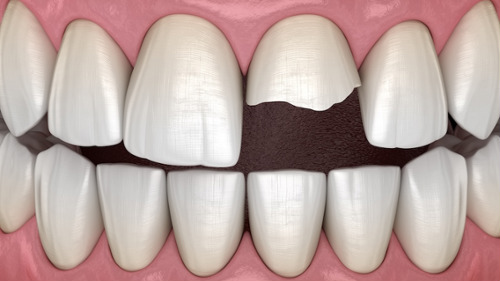
A tooth that loses a corner or develops a deep cavity can look as though there is very little left to save. You may run your tongue over the break and assume removal is the next step. However, many damaged teeth can be repaired when enough healthy structure and support remain, even if they need more than a simple filling.
At North River Dental Care in Fredericksburg, Virginia, Dr. Ryan Bailey can examine the damage and explain whether the tooth is restorable. We provide treatments such as crowns and root canal therapy to preserve appropriate teeth. If removal is necessary, we’ll explain what prevents a reliable repair and discuss the next steps before you decide.
Fillings for Smaller Repairs
If damage is limited, a filling may replace the missing tooth structure after decay and weakened material are removed. The remaining tooth needs to be solid enough to hold the restoration during chewing. We also check the edges of existing fillings, since a new break can develop beside older dental work.
For example, a small chip or cavity may leave the rest of the tooth well supported. In that case, a more extensive restoration may be unnecessary. Dr. Bailey can show you the area being repaired and explain how the filling will fit with the surrounding tooth.
Crowns for More Damaged Teeth
When a tooth has lost a substantial amount of structure, another filling may leave weak walls around it. A crown covers the prepared tooth and helps support those remaining sections during biting. It can be recommended for a large cavity, certain fractures, or a tooth that needs protection after root canal treatment.
For a crown here at North River Dental Care, Dr. Bailey gives our dental lab instructions for the tooth being restored. Before bonding it, he checks the fit, bite, and appearance so the repair works with the rest of your teeth. The tooth still needs enough sound structure for a secure edge, so damage deep below the gums may require further assessment before a crown is possible.
Root Canal Treatment to Save a Tooth
If decay or an injury affects the pulp, the tissue containing nerves and blood vessels inside the tooth may become inflamed or infected. Root canal treatment removes that damaged tissue, then cleans and seals the canals. The tooth is restored afterward with the filling or crown needed to protect its remaining structure.
At North River Dental Care, we offer root canal therapy, so an infected nerve does not automatically mean the tooth needs to be removed. Dr. Bailey will check the roots, surrounding support, and restorability before recommending it. Some more complex cases may require additional expertise, which we can explain if it applies to your tooth.
Cracks and Broken Teeth
A shallow chip differs from a crack extending deeply toward the root. Some broken cusps can be restored, while a split tooth or certain root fractures may leave no predictable way to keep the tooth intact. The visible size of the missing piece alone cannot show where the fracture ends.
During the exam, we may check biting pressure, gum measurements, temperature response, and X-rays. Small cracks do not always show on the images, so the diagnosis may require more than one test. We’ll explain any uncertainty before recommending a treatment that depends on how far the crack extends.
Gum Health and Bone Support
Even a repairable crown portion depends on healthy enough tissues around the roots. Advanced gum disease can reduce bone support and make a tooth loose. If the tooth also has decay or a nerve infection, both the inside and the supporting tissues need assessment.
We’ll check whether the tooth can stay steady enough for chewing after it is treated. Some teeth can be maintained with gum treatment and follow-up, while others have lost too much support for a repair to hold up. Dr. Bailey can show you how the roots and the damage above the gums affect that decision.
Repair or Tooth Replacement
If both saving and removing the tooth are possible, compare the entire course of care. A repair may involve a root canal, buildup, and crown, while extraction may lead to an implant, bridge, or partial denture. Those options bring different fees, visits, healing periods, and cleaning needs.
Ask what you are likely to need after each option, including later repairs or replacement of the dental work. We cannot promise how long a damaged tooth will last, but we can explain what makes a repair more or less predictable. If the fees or timing are a concern, we can discuss those before you choose the treatment.
Until Your Appointment
Until the tooth is checked, avoid heavy pressure on it and choose softer foods if chewing hurts. If you have a broken piece or loose crown, bring it with you when possible. Pain that settles does not confirm that the damage has healed, so keep the appointment even if the tooth becomes more comfortable.
Contact us quickly about swelling, worsening pain, or signs of infection. Breathing or swallowing difficulty requires emergency medical care. For a less urgent break, we can assess the area and arrange treatment before another hard bite removes more of the tooth.
Tooth Repair in Fredericksburg, Virginia
If you’ve been wondering whether a damaged tooth can stay, schedule an exam with Dr. Ryan Bailey. We can explain what is still healthy, what needs treatment, and whether a repair is likely to hold up. Contact North River Dental Care in Fredericksburg, Virginia, and let us help you work out the next step for that tooth!


